Cut Down – Built Up
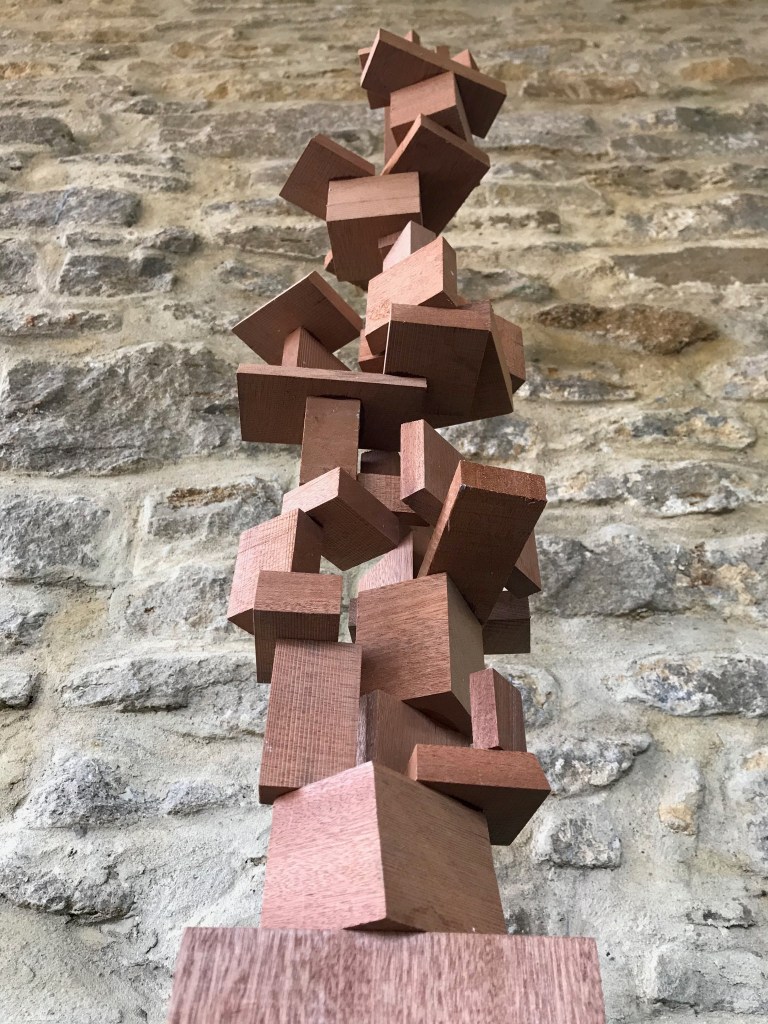
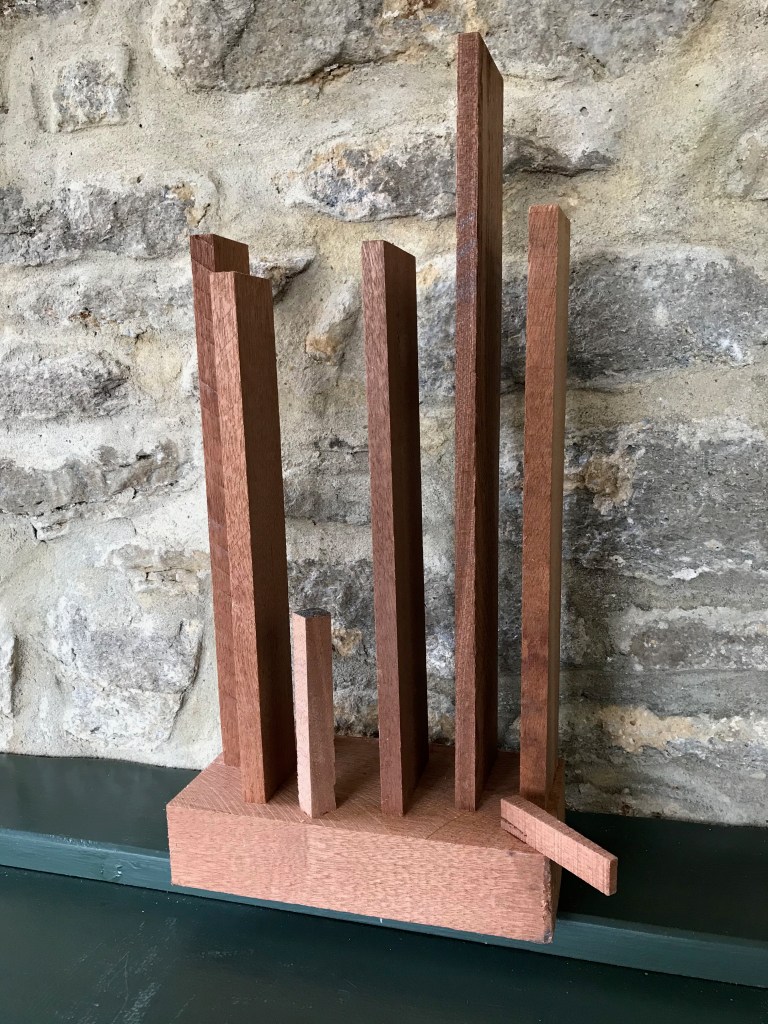
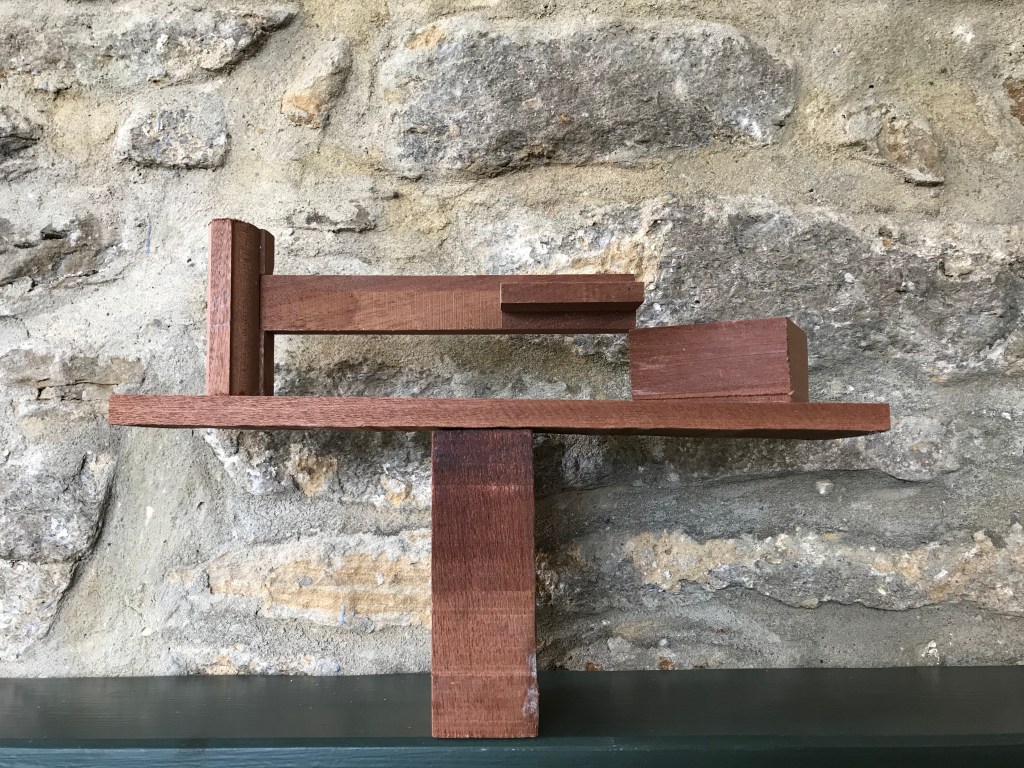
Cut Down – Built Up is an ongoing sculptural series exploring balance in relation to sustainability and the built environment.
The works are constructed from reclaimed carpenter’s offcuts — primarily Sapele (also known as African Mahogany), a hardwood sourced from the Congo Basin and originally cut under license. By using discarded material from workshop production, the series examines questions of extraction, value and structural stability within contemporary construction practices.
Each piece engages with physical equilibrium — precariousness, tension and support — as a metaphor for environmental balance. The works remain materially honest: original workshop markings are left visible, retaining the narrative of prior use.
New works from this evolving series were exhibited as part of:
New Artwork by The Salon Collective
The Lighthouse, Poole, Dorset, UK
18 September – 30 October
Tuesday – Saturday, 10am – 9pm


COVID: Their Souls take flight:
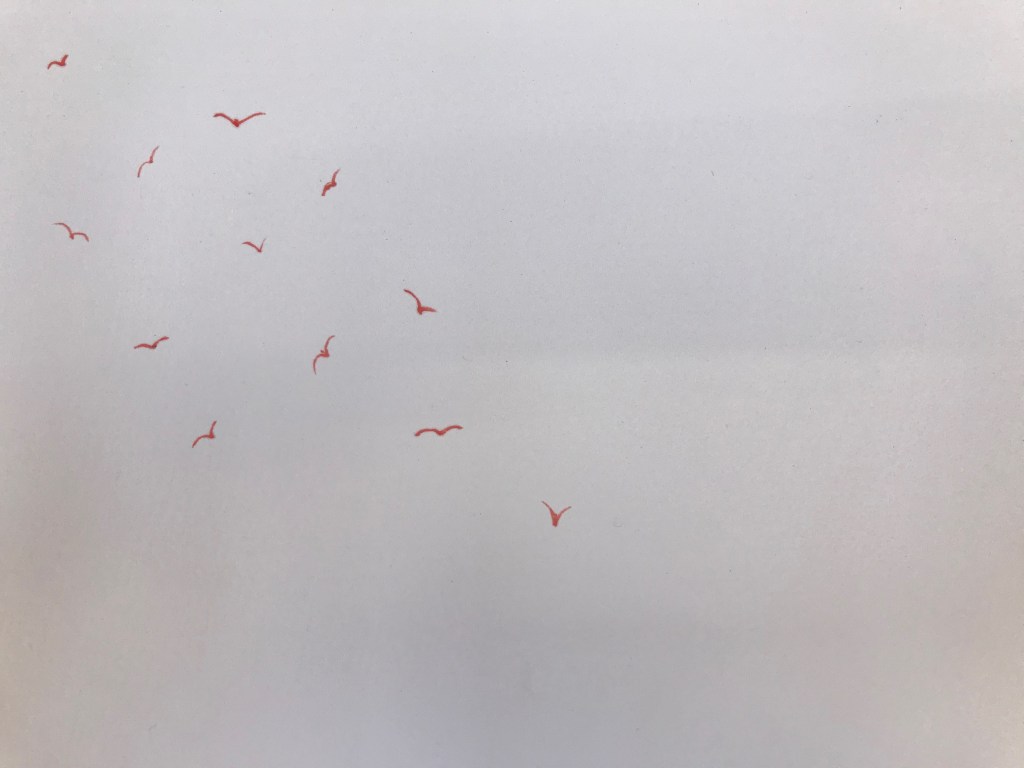
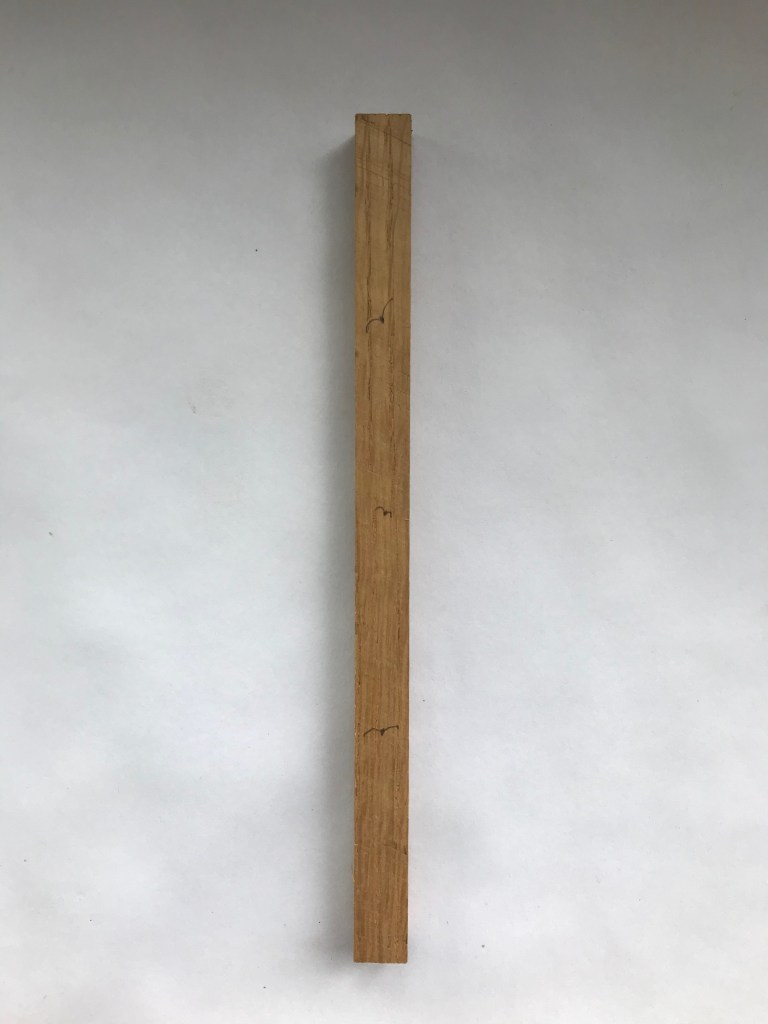
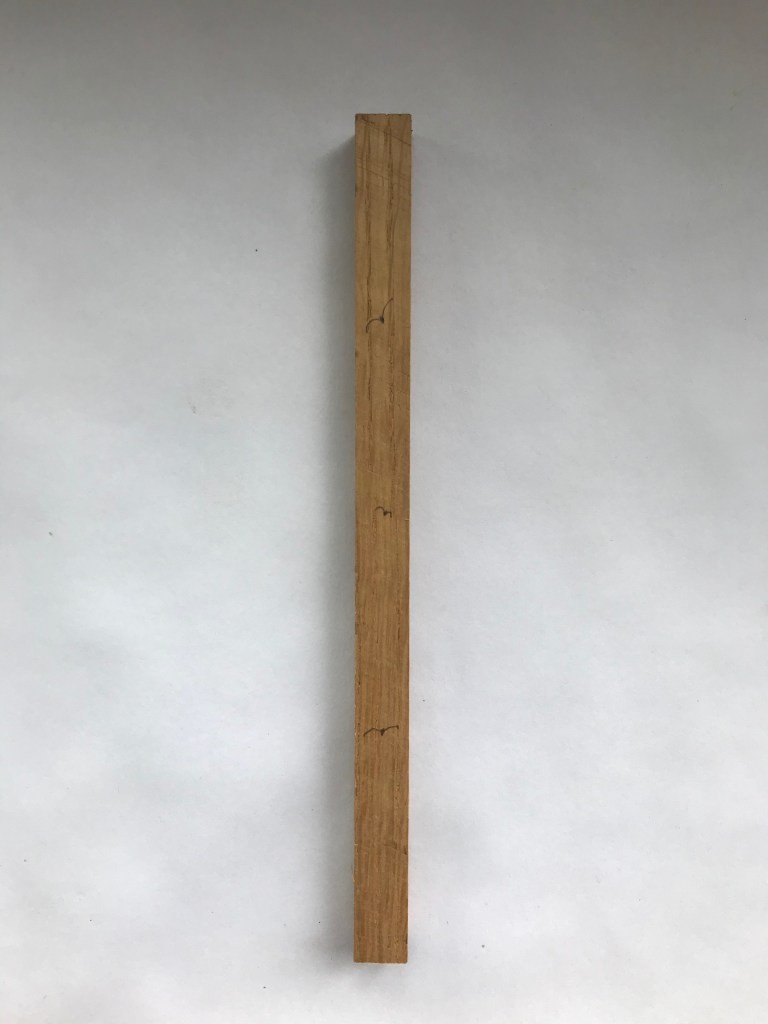
Their Souls Take Flight
This work is a respectful dedication to those who lost their lives to Coronavirus.
The ongoing series comprises both small- and large-scale pieces on paper, canvas and wood, depicting birds in flight. Each bird is rendered in colour — individual yet part of a larger movement — suggesting both separation and collective passage.
The repetition of the form becomes a gesture of remembrance. A quiet acknowledgement of lives counted in numbers, yet lived as singular presences.
Growing and Producing:
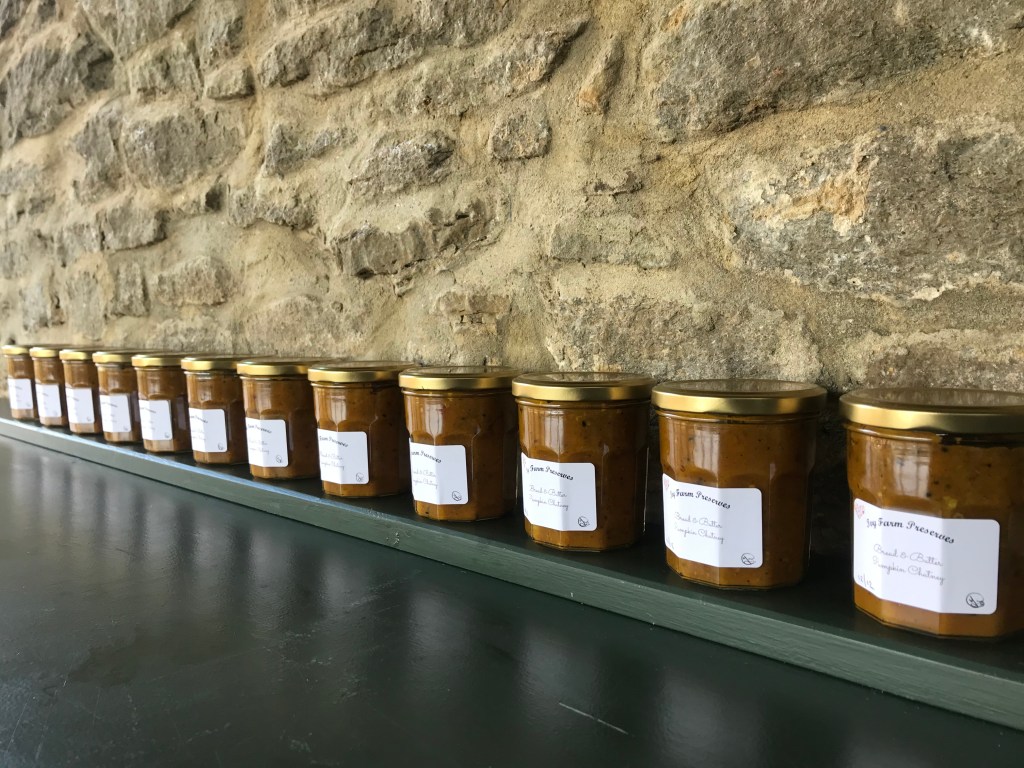
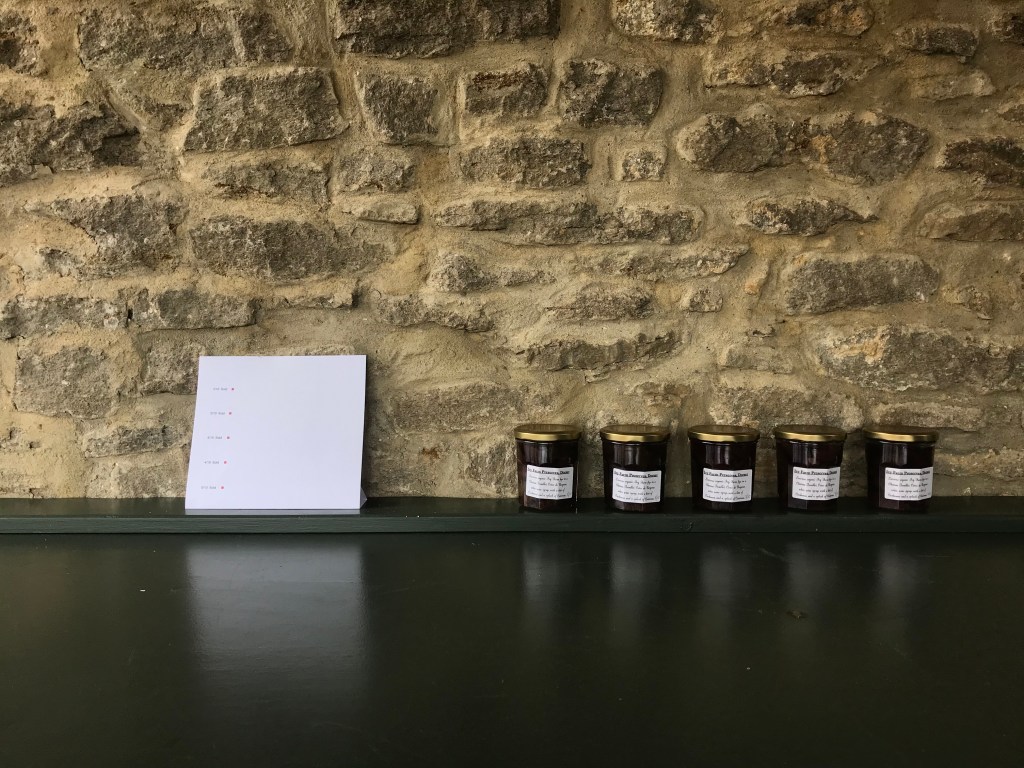
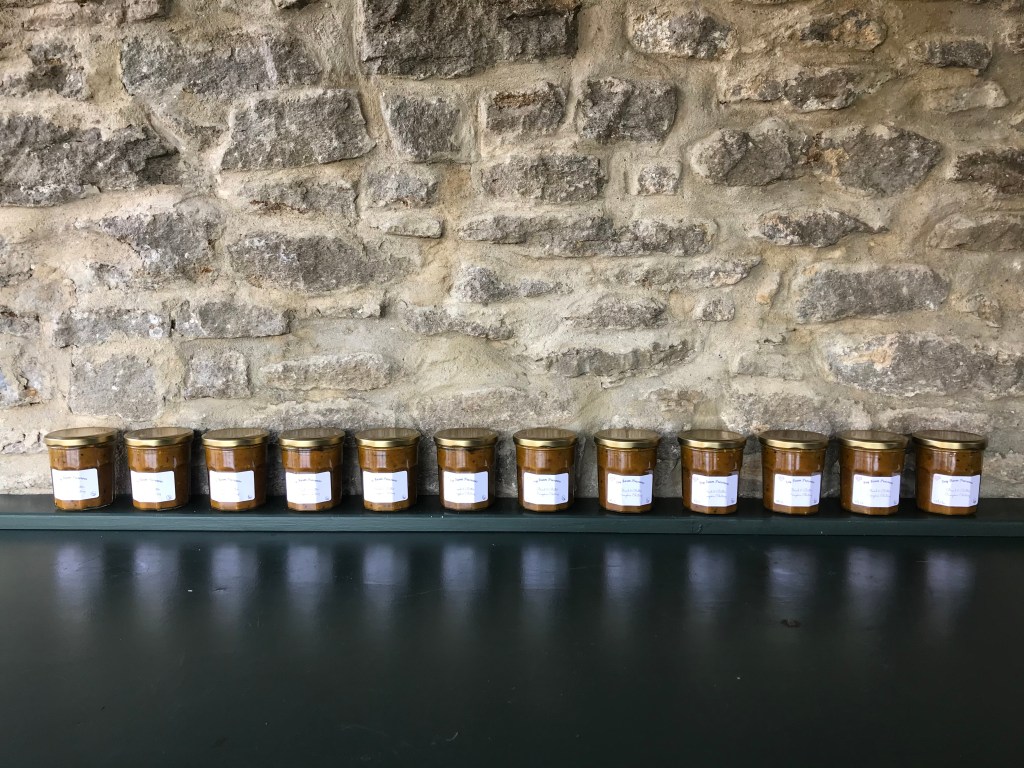
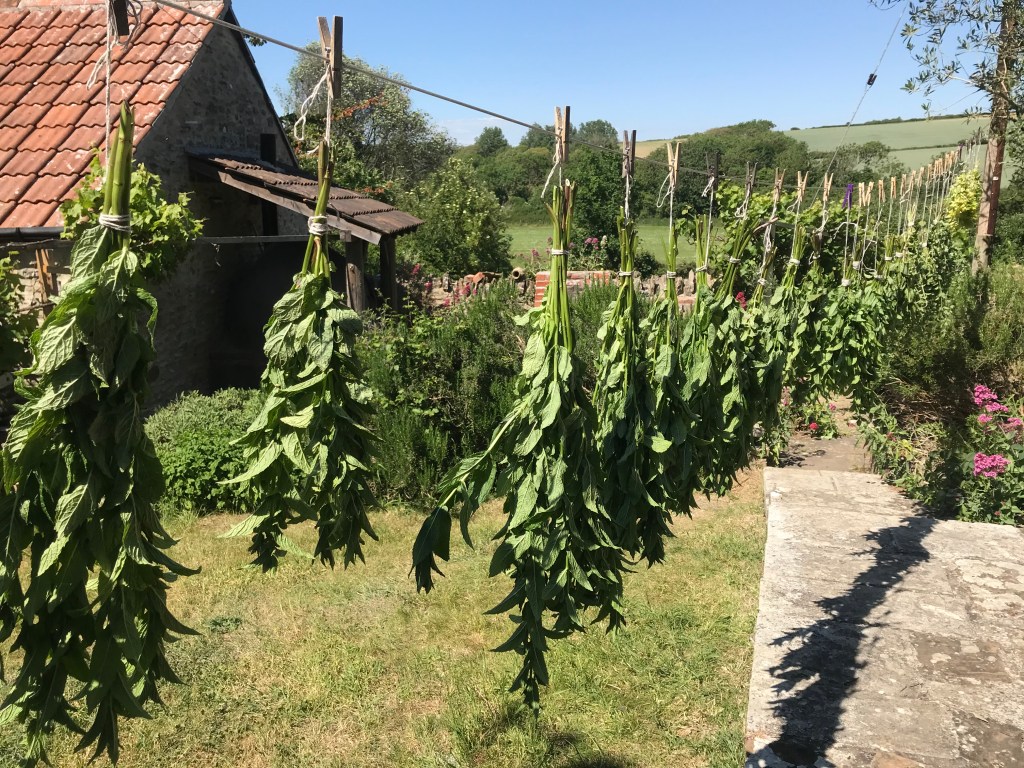
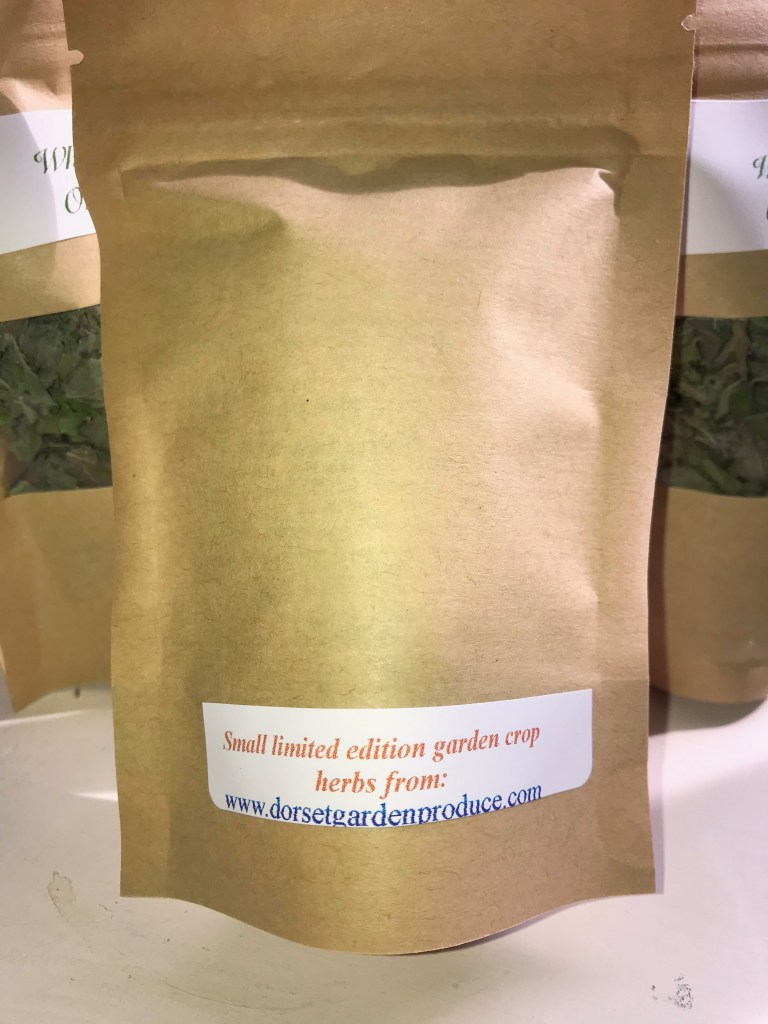
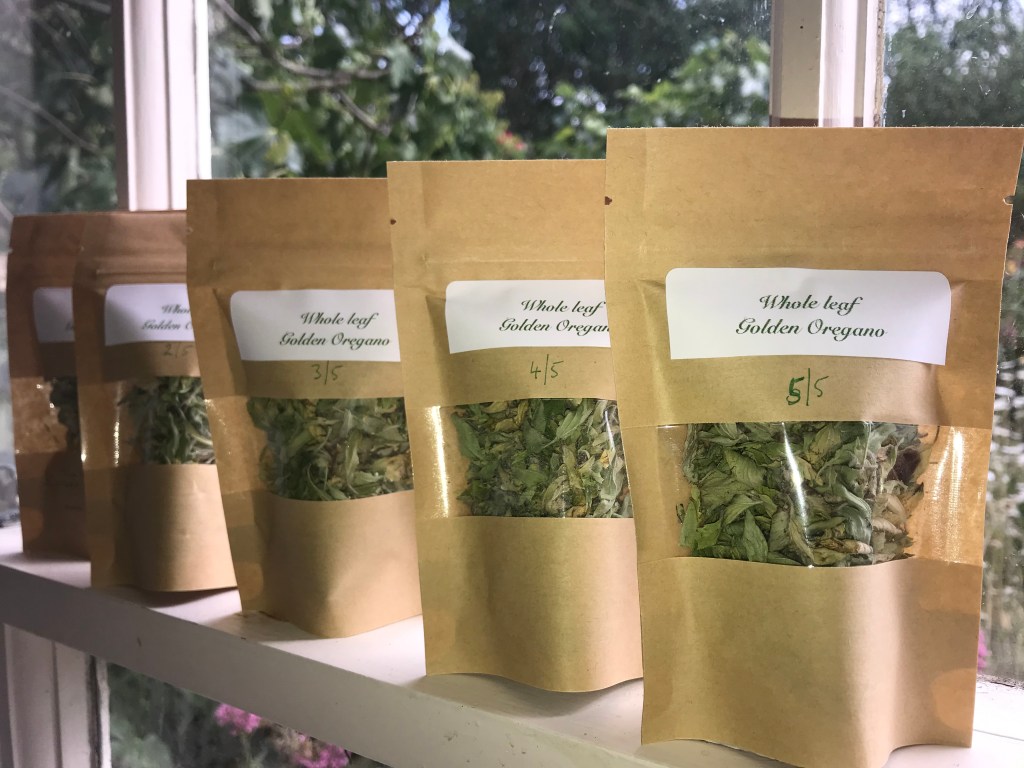
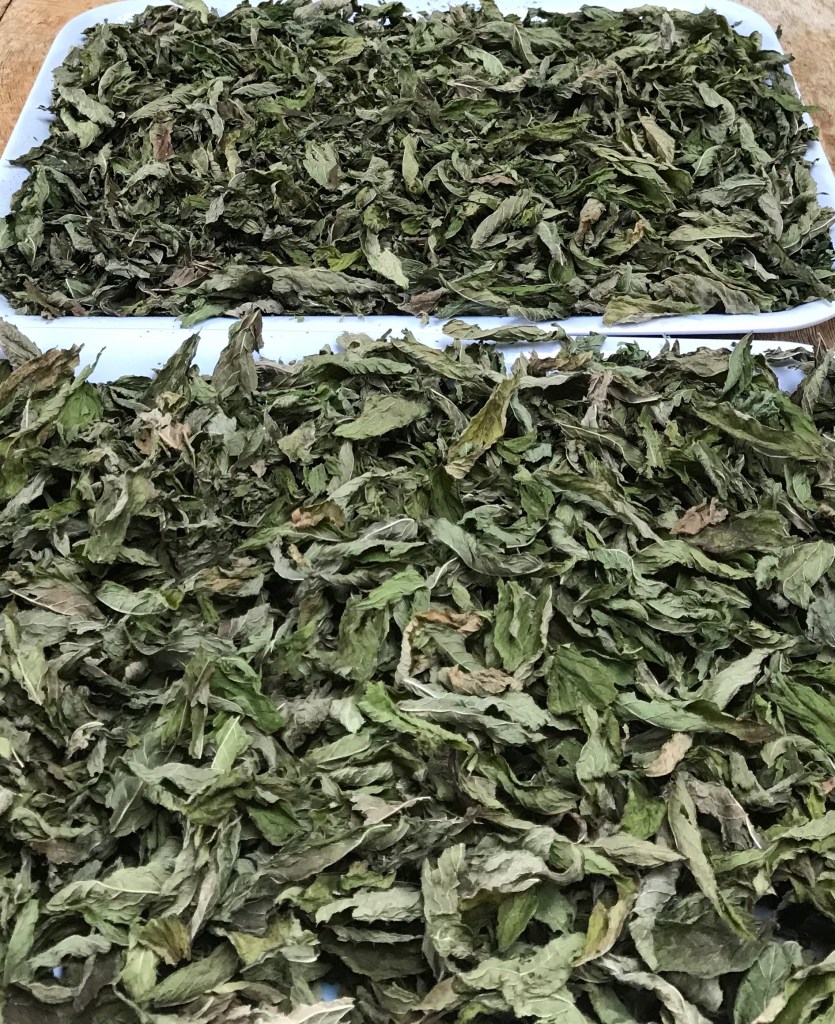
Earth Food Life
Earth Food Life is not presented as art in a conventional sense. Rather, it extends my creative practice — continuing my ongoing enquiry into land, material process, sustainability and the relationship between cultivation and culture.
The project emerged in response to the exhibition The Land We Live In, The Land We Left Behind at Hauser & Wirth Somerset (curated by Adam Sutherland), which explored the layered and often contradictory relationship between society and the rural landscape. The exhibition’s reference to an eighteenth- and nineteenth-century migrant toast — honouring both the land one inhabits and the land one has left — particularly resonated.
Within that exhibition, works addressing cultivation, production and food processing held my attention. In response, I began working through the practical processes of planting, tending, harvesting, drying and preserving.
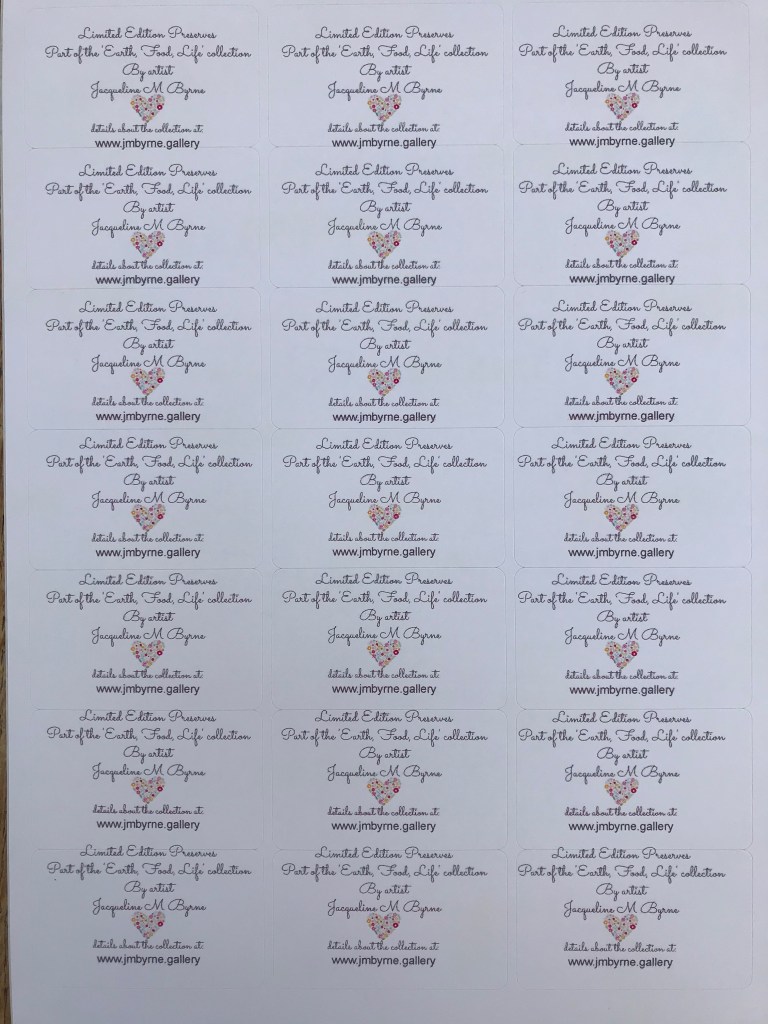
The resulting herbs and preserves are presented under the collective title Earth Food Life. Borrowing the term “limited edition” for the labels refers to the natural limitation of yield — a small crop available only until the next season’s growth — while gently echoing the language of art production.
A simple website platform was created to present the work, reflecting contemporary modes of exchange. Historically, such produce would have been bartered, traded, gifted or sold locally. The project therefore sits between rural tradition and contemporary distribution.
Further contextual research included the work of Fernando García-Dory, whose agro-ecological practice examines territory, culture and geopolitics through farming systems and collective action.
Earth Food Life remains part of a broader enquiry into making, value and the lived realities of land.
 Online Gallery & Consultancy